Join us for a groundbreaking online summit on neuroqueerness and coming out. This unique event brings together folks who practice neuroqueering to explore the multifaceted experiences of coming out.
The summit begins 1st December 2026
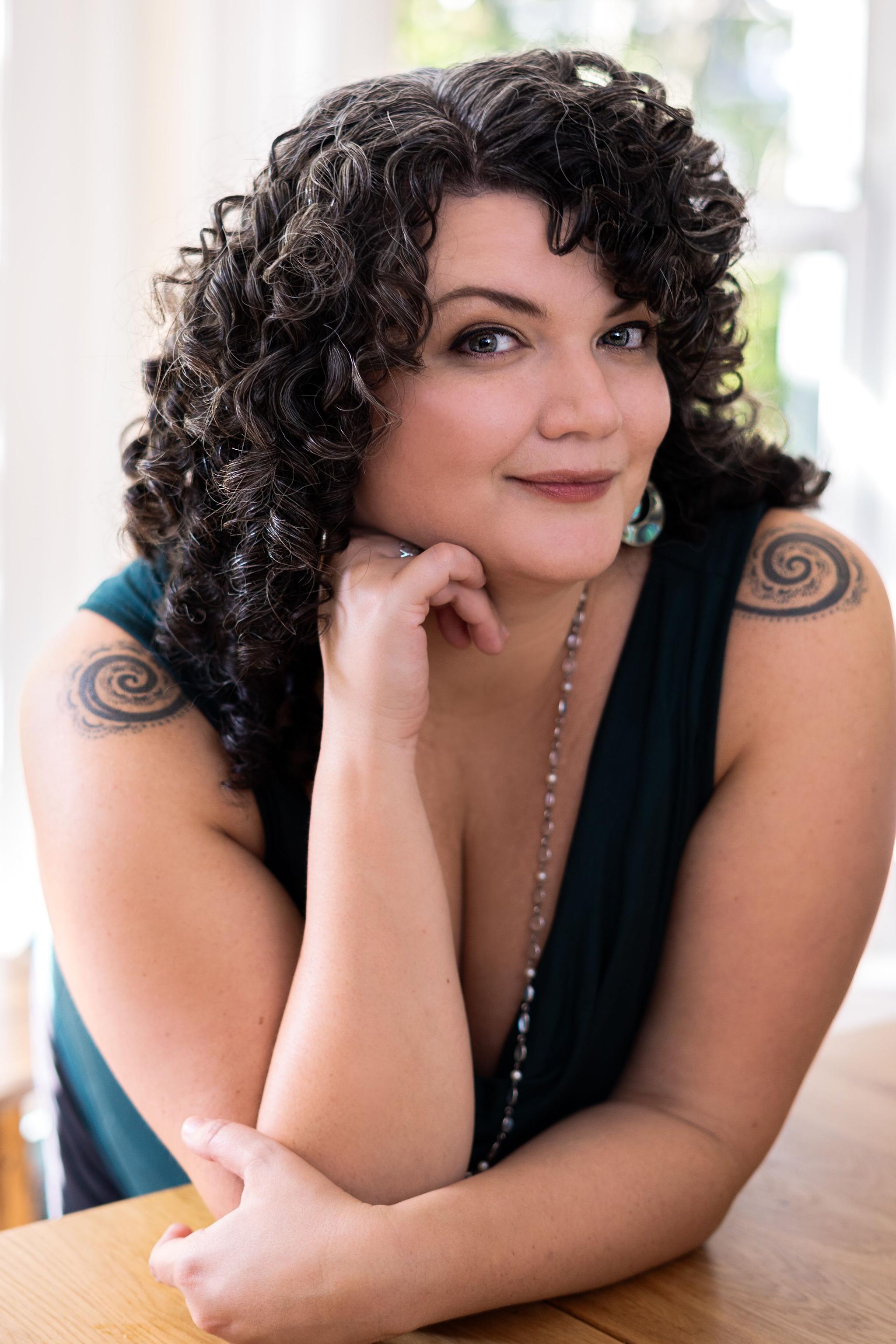
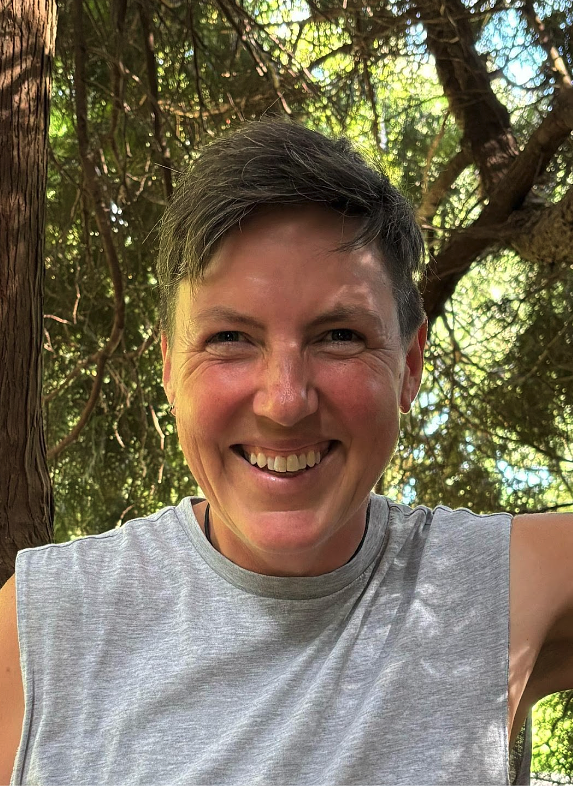
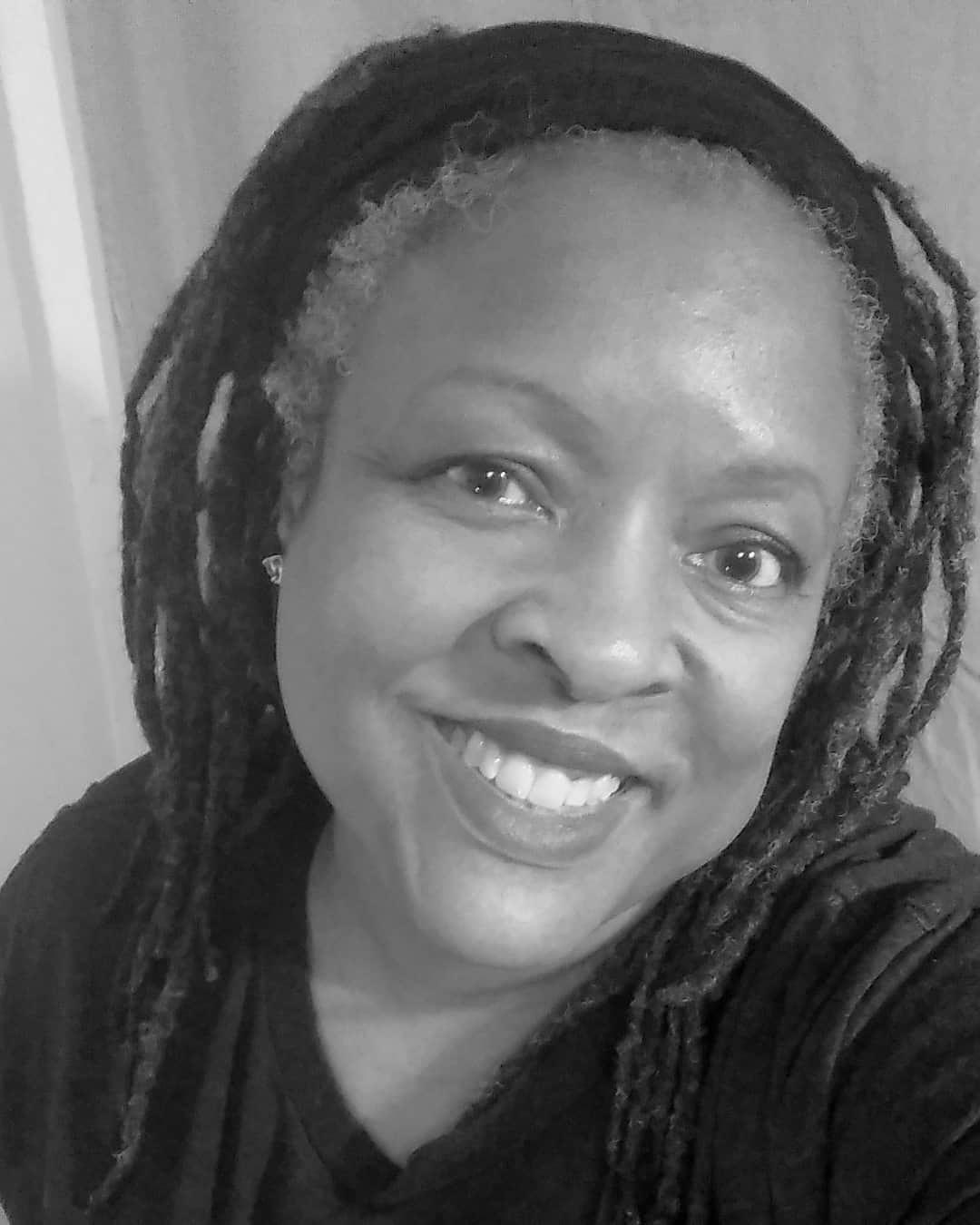
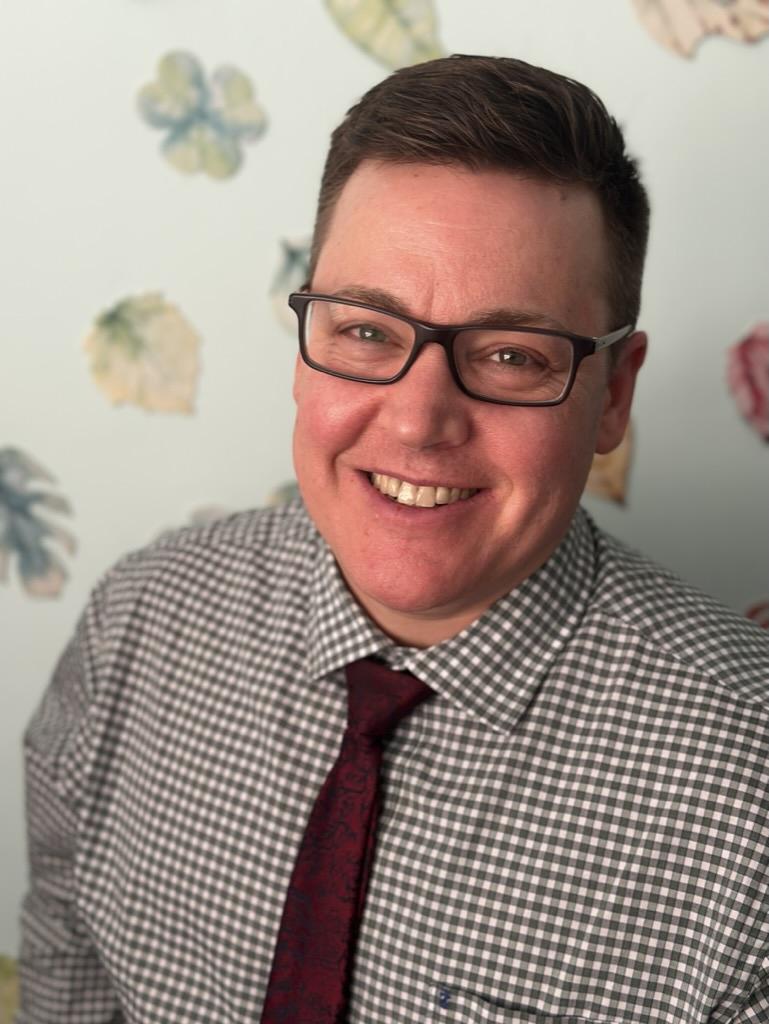
Alex Iantaffi and Sophia Graham speak to a diverse group of speakers
Our neuroqueer summit provides a platform for critical conversations about coming out, neuroqueering and how we move in the world. We aim to create a supportive space for sharing diverse experiences and perspectives within the neuroqueer community. This is the first summit of its kind, and we are excited to welcome you to this pioneering event.
Starting December 1st we will open a new interview or roundtable each day. The video interviews will be accompanied by transcripts. You'll keep access for 6-months - which means you don't need to watch the speakers on the day they are released if that isn't what works for your nervous system.
You'll be able to interact with other participants and the speakers in the summit's community section.
We will also be holding three community connect sessions:
December 10th at 11am-12.30pm PST / 1-2.30pm CST / 2-3.30pm EST / 7-8.30pm UK time
December 10th at 4-5.30pm PST / 6-7.30pm CST / 7-8.30pm EST / (9-10.30am on December 11th for Sydney, Australia)
December 17th 12-2p PST / 2-3.30pm CST / 3-4.30pm EST / 8-9.30pm UK time
“Embracing my neuroqueerness has been a process of becoming more and more myself. Living my joy, my passions, my preferences and my limits. Finding ways of working, relating and moving in the world that work best for my mind and body.”
Sophia Graham
This summit is for you if
You want to hear how different people have experienced coming out in different ways
You're interested in neuroqueerness, neuroqueering and/or neuroqueering as an identity label.
You want to connect with other neuroqueers or folks engaging in neuroqueering
It sparks your interest
Don't miss this opportunity to be part of a vibrant community dedicated to neuroqueer experiences and coming out. Mark your calendars and prepare to witness thought-provoking conversations at the Neuroqueer Summit.
Who are your hosts?
Dr. Alex Iantaffi is a disabled, neuroqueer, late-diagnosed AuDHDer who also lives with C-PTSD, hEDS, MCAS & dysautonomia. They are an author, therapist, speaker, clinical supervisor, and podcaster who continues to organise within a number of communities, within their capacity. You can find out more about Alex’s work at alexiantaffi.com.
Dr. Sophia Graham is a disabled, neuroqueer coach who teaches folks how to have more choice in their relationships with their emotions and their closest people. She runs loveuncommon.com with some of her favourite people and loves to facilitate and participate in mutual aid groups and practices. Her blog is a love letter to her younger self, and she hopes you might find something there that helps you too.
Who we are talking to!
Nick Walker
Coming Further Out: A Neuroqueer Approach
Coming out is among other things a reshaping of one’s social identity, in which the identity thrust upon one by society is exchanged for self-identification based in self-knowledge. But what happens when no identity category proves sufficiently liberating, and what solutions can be found in Neuroqueer Theory?
Erica Riddick
Does coming out set you free or box you in?
This conversation explores the ways in which labels and identities can create opportunities for connection at the same time as they can feel constraining and constricting.
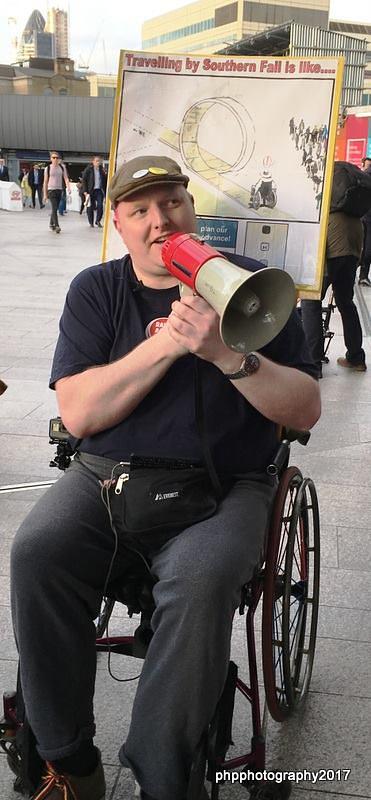
Doug Paulley
Coming out as a political awakening
Doug Paulley is a prominent UK-based disability rights campaigner known for taking legal action against corporations, particularly in transport, to challenge accessibility barriers. Doug is a passionate advocate for justice and disability rights, and a cat lover. This conversation explores the complexity of living with visible and invisible disability, living in a residential home and building community with other neurodivergent folks enforcing discrimination law in the UK.
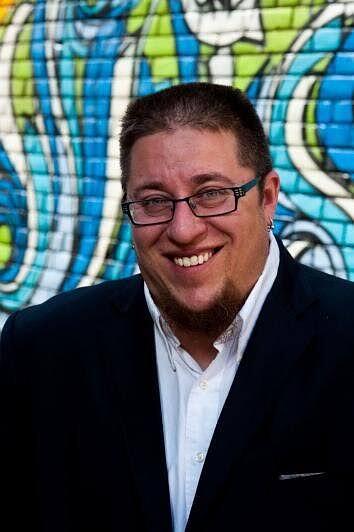
Bob Manickam
Coming out and coming into yourself
This conversation explores the ways that coming out is an act of self-acceptance. It touches on punk culture, DIY and the complexities of living with multiple marginalised identities.
Gem Kennedy
Gem joins Sophia and Alex to talk about neuroqueering and consent-based approaches to life, coaching and parenting. Gem Kennedy (they/them) is a queer, AuDHD coach, facilitator, speaker and podcaster whose work sits at the intersection of neurodivergence, queerness and liberation. Drawing on their own late identification and lived experience, Gem works with queer and neurodivergent folk to dismantle the rules they've been conditioned to live by, living more consent-based and self-directed lives.
Mel Cassidy
Mel Cassidy(they/them) is a Somatic Experiencing® Practitioner™, relationship coach, and published author, committed to the path of liberatory love and rewilding intimacy. They specialize in working with queer and questioning humans (and those who love them), exploring post-monogamous relationships—with a focus on polyamory, solo polyamory, and relationship anarchy. They are of Irish, Greek, and Romani descent and currently live in British Columbia, Canada. Find them on Instagram/Facebook/Substack/Insight Timer @radicalrelating or visit radicalrelating.ca
Meg John Barker
Plural comings out and coming out as plural
This conversation will affirm and explore the related experiences of plural comings out (coming out multiple times over the course of a lifetime) and of coming out as plural (being several selves, or parts, or otherwise having a lived experience of multiplicity). It will normalise having a plurality of things we might come out about, ways of understanding/framing these things, and parts/selves for whom they are relevant/accurate. It will suggest that coming out itself is an ongoing process which we may do or not do in a plurality of different ways with ourselves and others, across relationships and situations.
Gloria Jackson-Nefertiti
Coming out over a lifetime
Gloria talks about her journey through a high-demand religious upbringing, traumatic brain injury and her late diagnosis with Autism. She shares the joys and challenges of the many coming out she has had over her lifetime.
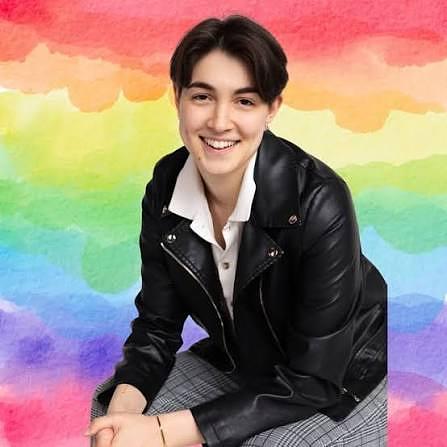
Kaleb E. Goldschmitt
Neuroqueering academia
Dr. Kaleb E. Goldschmitt shares their personal journey into neurodivergence as a trans and queer academic, and coming out. They also explore how neuroqueering can transform academia. Dr Goldschmitt shares vulnerable and authentic insights on their journey to self-acceptance, including the challenges of advocating for appropriate accommodations.
Dagger DesChiennes
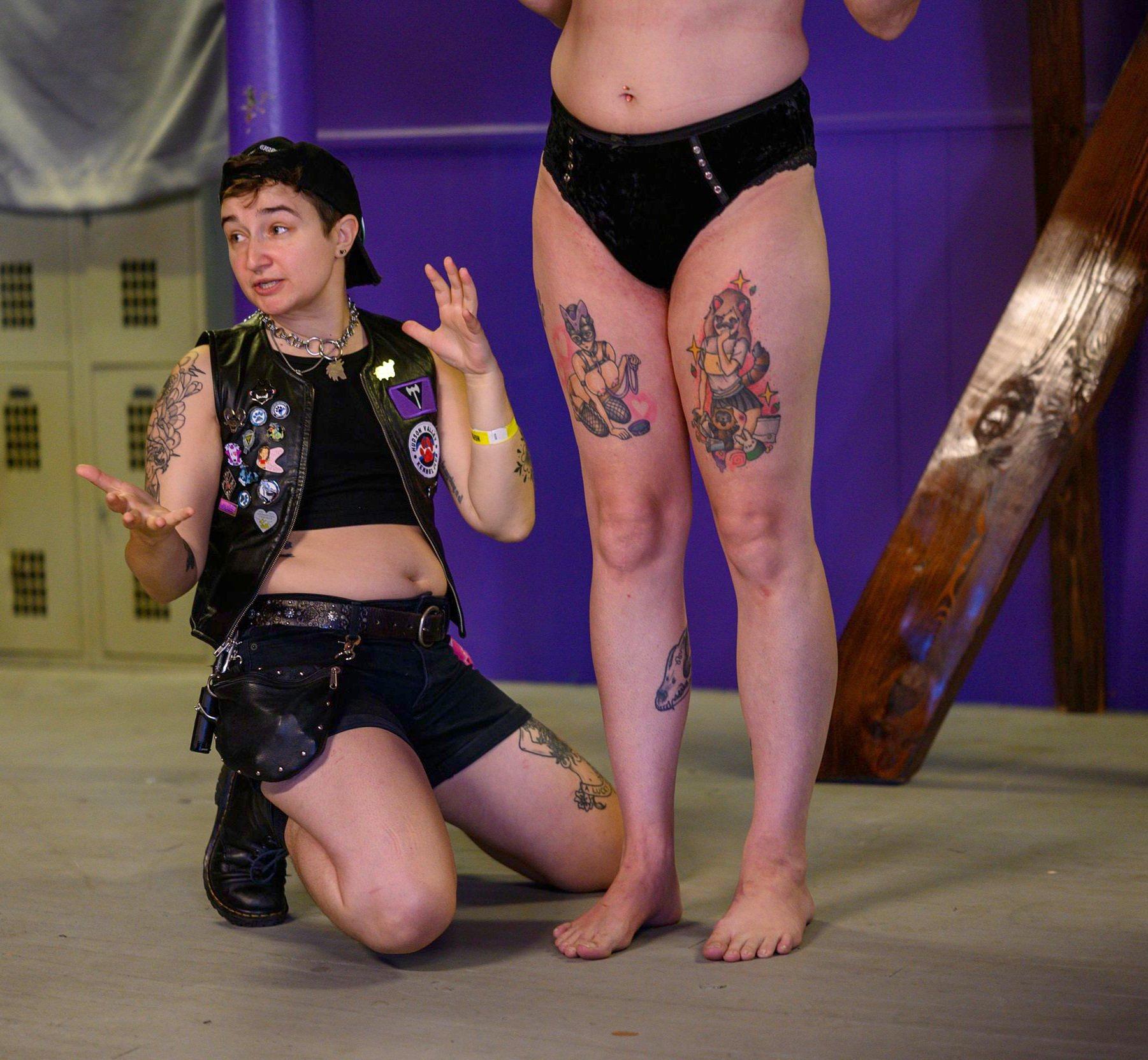
Dagger joined Sophia and Alex for a roundtable conversation about neuroqueerness, BDSM, and borderline personality disorder. Dagger DesChiennes (she/her) is a professional kinkster with over a decade of experience based in the Hudson Valley, New York. She regularly presents at major kink events (Dark Odyssey, Camp Crucible, IMsLBB, Folsom Street East, etc.) as well as at locally-owned sex-positive shops, community centers, and online communities. Although her skills range from sharps and sadism to boot service and body worship, Dagger has been recognized for her contributions to the petplay community as cofounder of Hudson Valley Kennel Club, Northeast Pet 2024, and runner-up International Trainer 2026. She works full time as a kink and relationship educator, offering live and virtual classes, 1-on-1 coaching sessions, worksheets, and more at her education hub, Get Licked! with Dagger (comegetlicked.com).
Bear Bergman
Neuroqueering creativity and prductivity
Bear Bergman dives into the intersections of neurodivergence, queerness, creativity, and parenting. They discuss the challenges of navigating societal expectations, the importance of authenticity in creative processes, and the exhaustion that comes from capitalist demands for constant productivity. Bear emphasises the importance of community support, the value of embracing imperfection, and the journey towards self-acceptance in a dominant culture that too often prioritises conformity over individuality.
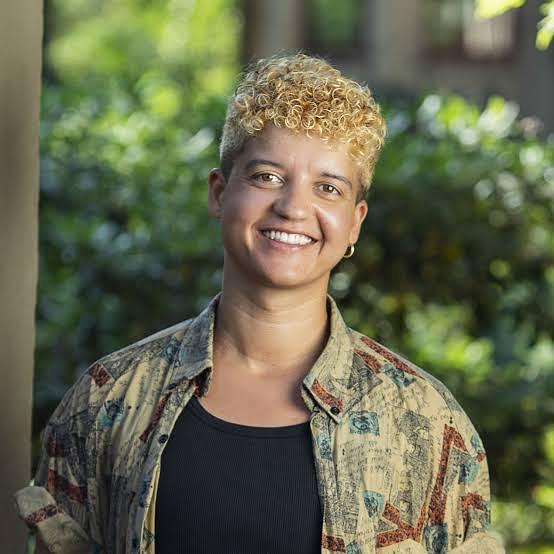
Jaï Bristow
Visible and invisible identities: from labels to belonging
In this conversation, Jaï Bristow shares their process of coming out multiple times across various identities, highlighting how who we are can unfold over time. They talk about the importance of internal validation in a dominant culture where societal norms and binary thinking deeply impact marginalized communities. Jaï explores the nuances of identity labels, the process of coming home to oneself, and strategies for navigating disclosure in various contexts and creating inclusive spaces.
Bella Crum
Bella (she/they) is a queer and neurodivergent somatic experiencing practitioner, coach and facilitator who helps people connect with their body’s cues to find and feel authentic yesses - and honor their no. They joined us to talk about the intersection of somatics, neurodivergence and coming out. You can find Bella online in most places you use the internet at @SomethinAboutBella
Sign up now!:
What you'll get:
10 interviews with transcripts about neuroqueerness and coming out.
4 roundtable conversations with transcripts about neuroqueering, non-monogamy, masking, parenting and BDSM.
A new interview or roundtable opened each day of the summit, but left accessible for 6 months.
A community platform to talk about neuroqueering, coming out and all the other topics we cover.
You'll help make the summit sustainable and help us create another one next year!