Our neuroqueer summit is dedicated to providing a platform for critical conversations around the concept of coming out. We aim to create a supportive space for sharing diverse experiences and perspectives within the neuroqueer community. This is the first of its kind summit, and we are excited to welcome you to this pioneering event.
The summit begins 1st December 2026
“Embracing my neuroqueerness has been a process of becoming more and more myself. Living my joy, my passions, my preferences and my limits. Finding ways of working, relating and moving in the world that work best for my mind and body.”Sophia Graham
- You want to hear how different people have experienced coming out in different ways
- You're interested in neuroqueer identities
- You want to connect with other neuroqueers
- It sparks your interest
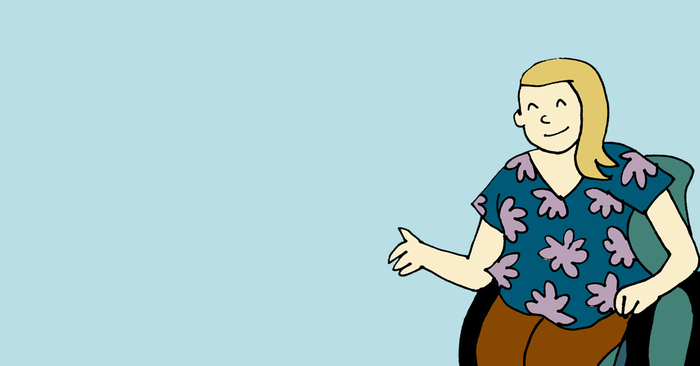
Dr. Alex Iantaffi is a disabled, neuroqueer, late-diagnosed AuDHDer who also lives with C-PTSD, hEDS, MCAS & dysautonomia. They are an author, therapist, speaker, clinical supervisor, and podcaster who continues to organise within a number of communities, within their capacity. You can find out more about Alex’s work at alexiantaffi.com.
Dr. Sophia Graham is a disabled, neuroqueer coach who teaches folks how to have more choice in their relationships with their emotions and their closest people. She runs loveuncommon.com with some of her favourite people and loves to facilitate and participate in mutual aid groups and practices. Her blog is a love letter to her younger self, and she hopes you might find something there that helps you too.
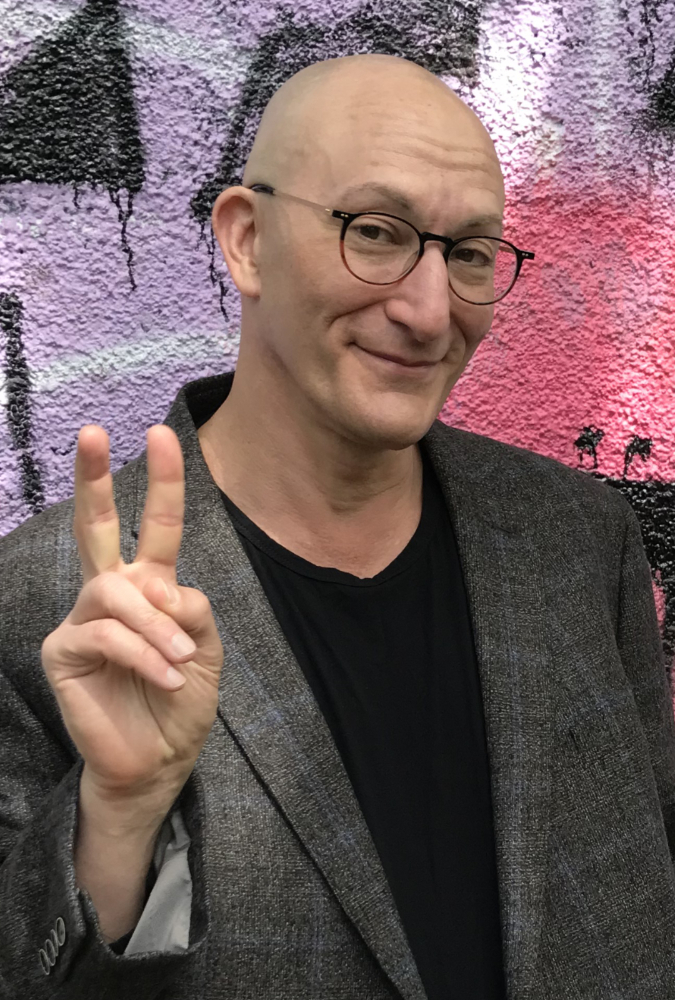
Nick Walker
Coming Further Out: A Neuroqueer Approach
Coming out is among other things a reshaping of one’s social identity, in which the identity thrust upon one by society is exchanged for self-identification based in self-knowledge. But what happens when no identity category proves sufficiently liberating, and what solutions can be found in Neuroqueer Theory?
Erica Riddick
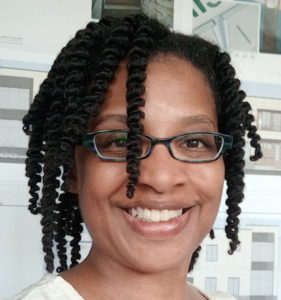
Does coming out set you free or box you in?
This conversation explores the ways in which labels and identities can create opportunities for connection at the same time as they can feel constraining and constricting.
Doug Paulley
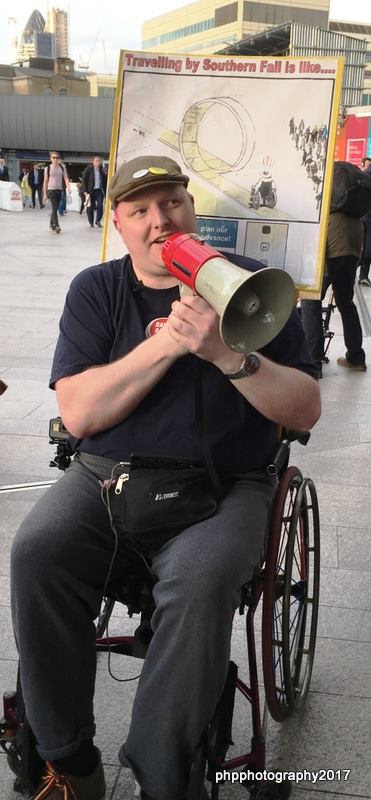
Coming out as a political awakening
Doug Paulley is a prominent UK-based disability rights campaigner known for taking legal action against corporations, particularly in transport, to challenge accessibility barriers. Doug is a passionate advocate for justice and disability rights, and a cat lover. This conversation explores the complexity of living with visible and invisible disability, living in a residential home and building community with other neurodivergent folks enforcing discrimination law in the UK.
Bob Manickam
Coming out and coming into yourself
This conversation explores the ways that coming out is an act of self-acceptance. It touches on punk culture, DIY and the complexities of living with multiple marginalised identities.
Gem Kennedy
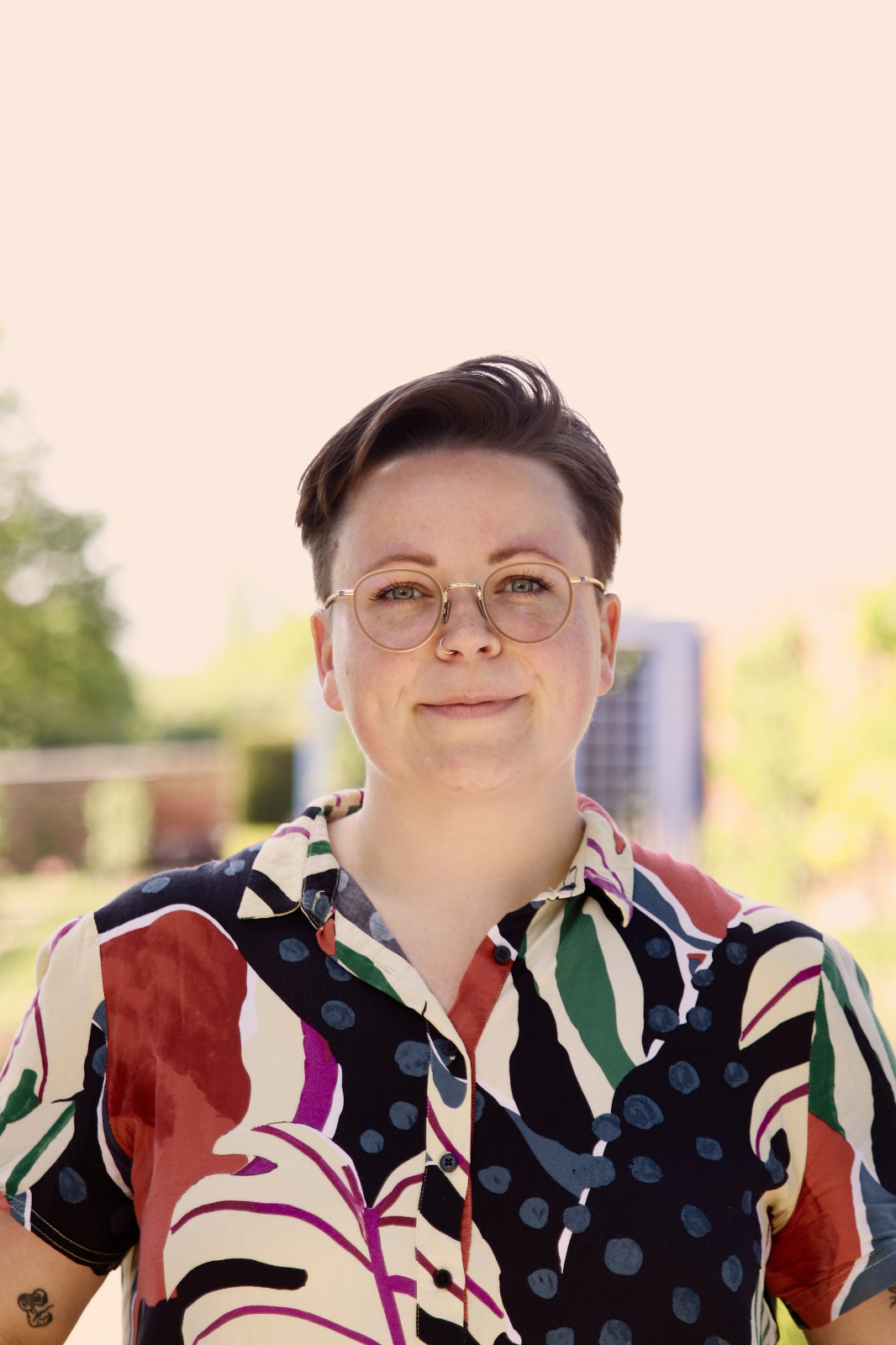
Gem Kennedy (they/them) is a queer, AuDHD coach, facilitator, speaker and podcaster whose work sits at the intersection of neurodivergence, queerness and liberation. Drawing on their own late identification and lived experience, Gem works with queer and neurodivergent folk to dismantle the rules they've been conditioned to live by, living more consent-based and self-directed lives.
%20photo%20by%20Suzanne%20Rushton%20(smaller).jpg)
Mel Cassidy
Find them on Instagram/Facebook/Substack/Insight Timer @radicalrelating or visit radicalrelating.ca
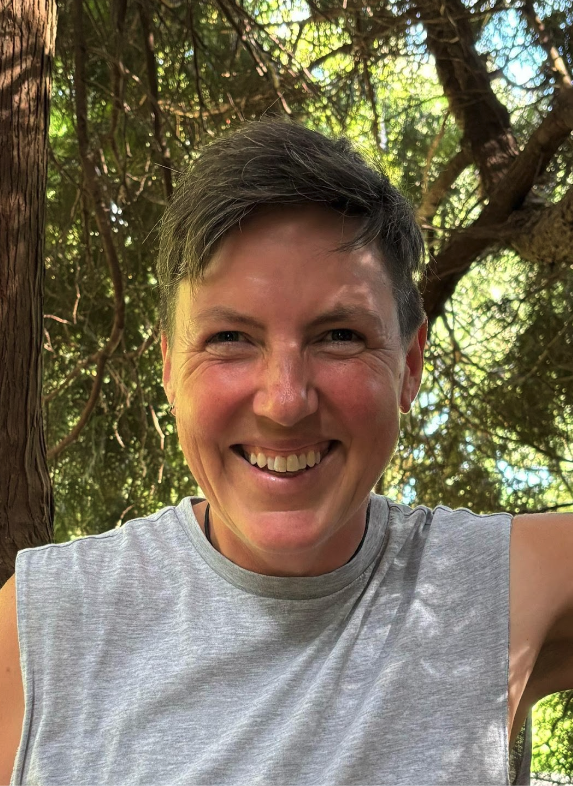
Meg John Barker
Plural comings out and coming out as plural
This conversation will affirm and explore the related experiences of plural comings out (coming out multiple times over the course of a lifetime) and of coming out as plural (being
several selves, or parts, or otherwise having a lived experience of multiplicity). It will normalise having a plurality of things we might come out about, ways of understanding/framing these things, and parts/selves for whom they are relevant/accurate. It will suggest that coming out itself is an ongoing process which we may do or not do in a plurality of different ways with ourselves and others, across relationships and situations.
Gloria Jackson-Nefertiti
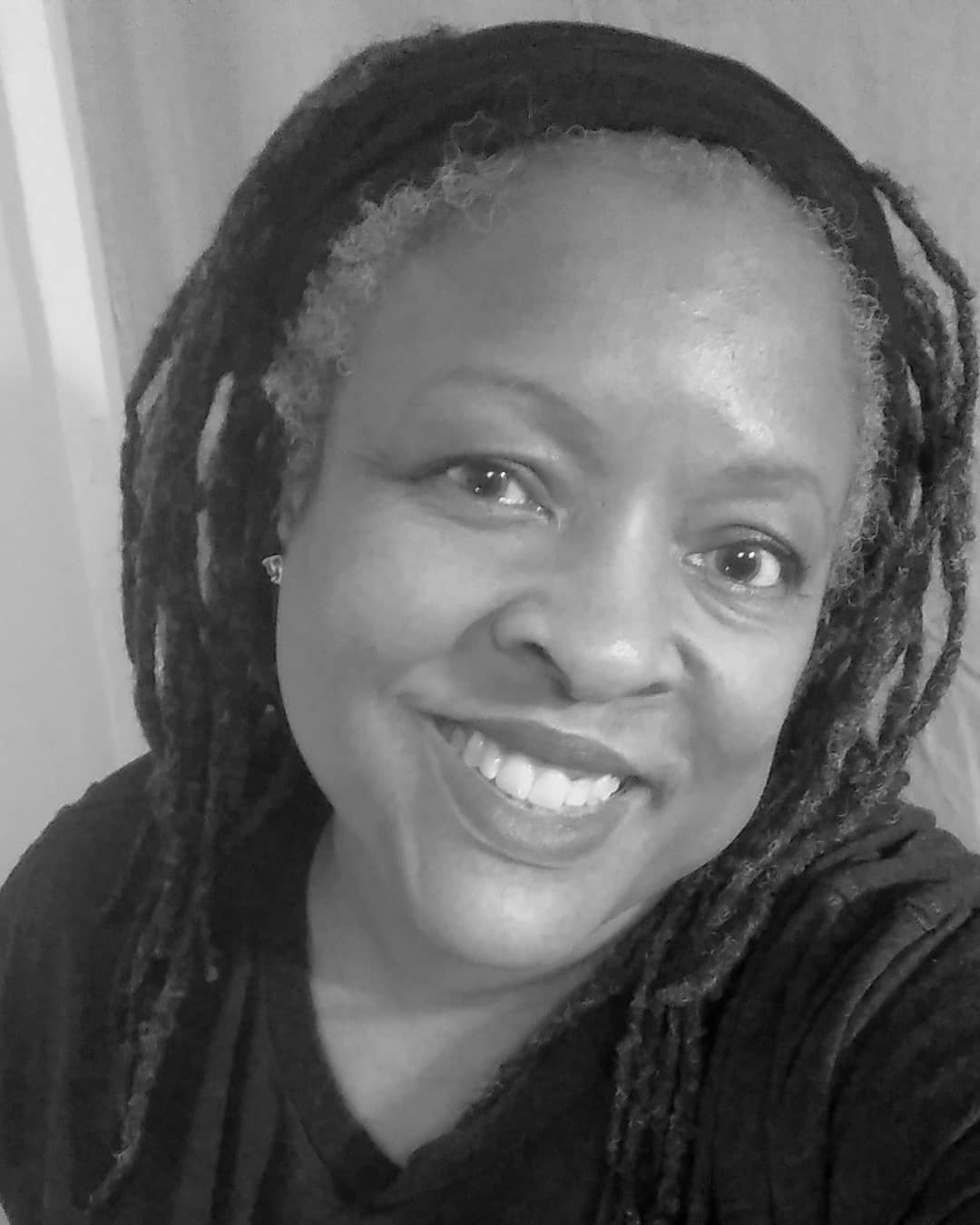
Coming out over a lifetime
Gloria talks about her journey through a high-demand religious upbringing, traumatic brain injury and her late diagnosis with Autism. She shares the joys and challenges of the many coming out she has had over her lifetime.
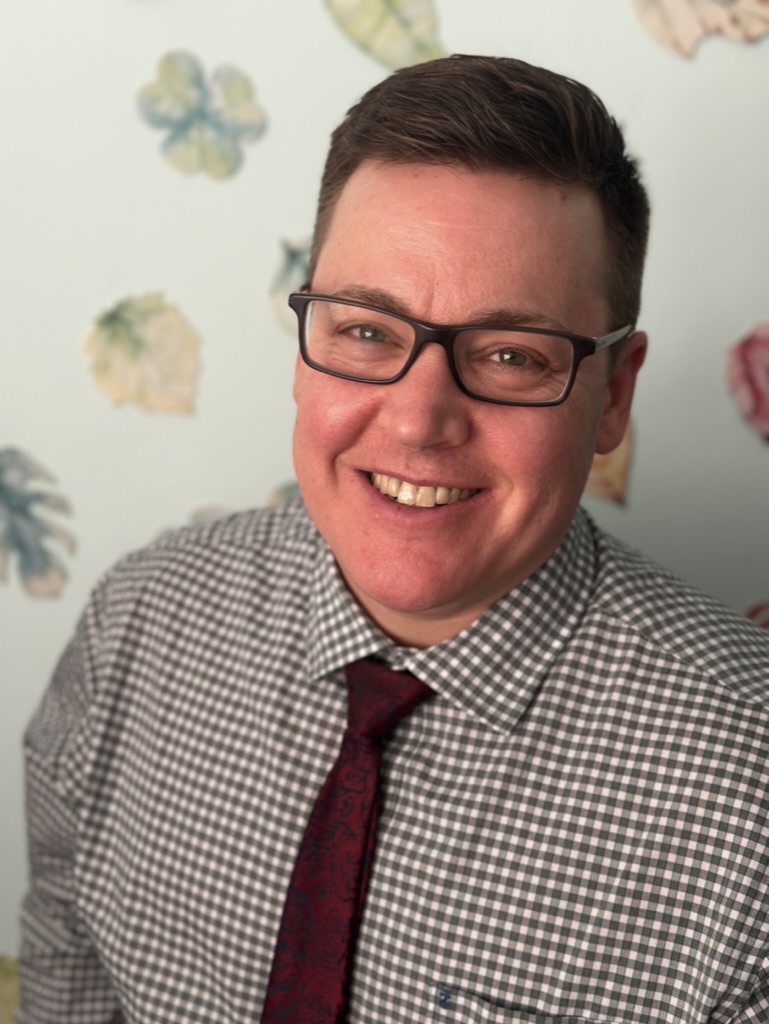
Kaleb E. Goldschmitt
Neuroqueering academia
Dr. Kaleb E. Goldschmitt shares their personal journey into neurodivergence as a trans and queer academic, and coming out. They also explore how neuroqueering can transform academia. Dr Goldschmitt shares vulnerable and authentic insights on their journey to self-acceptance, including the challenges of advocating for appropriate accommodations.
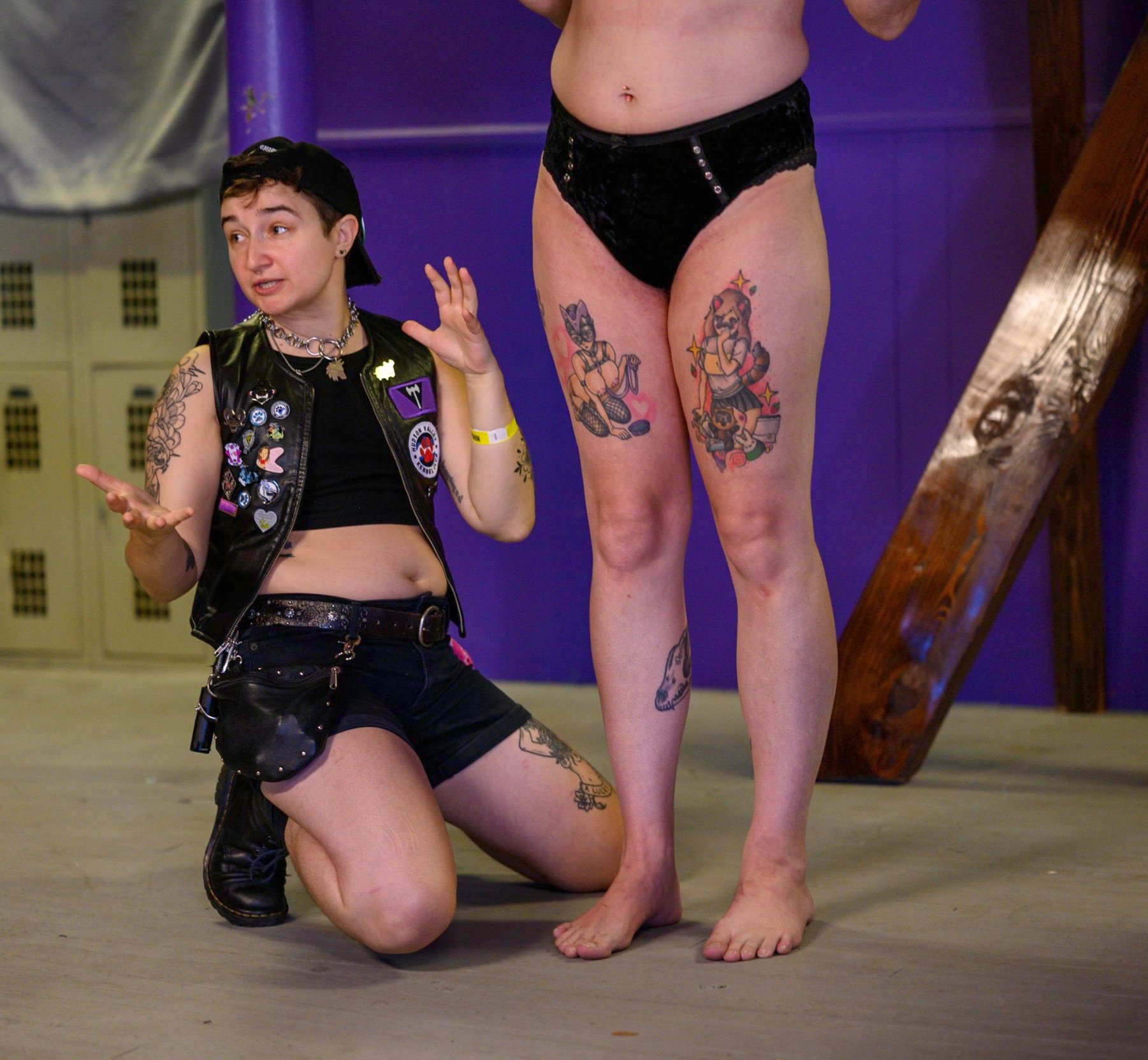
Dagger DesChiennes
Dagger joined Sophia and Alex for a roundtable conversation about neuroqueerness, BDSM, and borderline personality disorder. Dagger DesChiennes (she/her) is a professional kinkster with over a decade of experience based in the Hudson Valley, New York. She regularly presents at major kink events (Dark Odyssey, Camp Crucible, IMsLBB, Folsom Street East, etc.) as well as at locally-owned sex-positive shops, community centers, and online communities. Although her skills range from sharps and sadism to boot service and body worship, Dagger has been recognized for her contributions to the petplay community as cofounder of Hudson Valley Kennel Club, Northeast Pet 2024, and runner-up International Trainer 2026. She works full time as a kink and relationship educator, offering live and virtual classes, 1-on-1 coaching sessions, worksheets, and more at her education hub, Get Licked! with Dagger (comegetlicked.com).
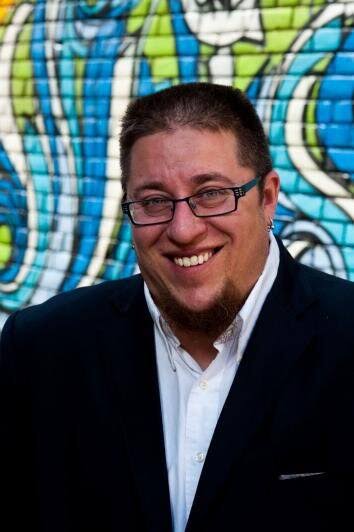
Bear Bergman
Neuroqueering creativity and prductivity
Bear Bergman dives into the intersections of neurodivergence, queerness, creativity, and parenting. They discuss the challenges of navigating societal expectations, the importance of authenticity in creative processes, and the exhaustion that comes from capitalist demands for constant productivity. Bear emphasises the importance of community support, the value of embracing imperfection, and the journey towards self-acceptance in a dominant culture that too often prioritises conformity over individuality.
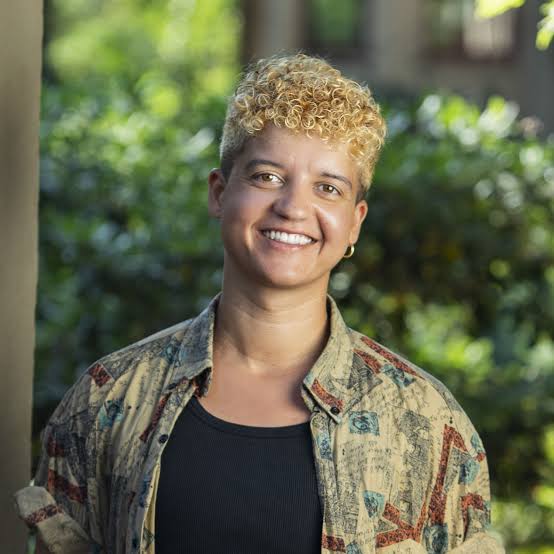
Jaï Bristow
Visible and invisible identities: from labels to belonging
In this conversation, Jaï Bristow shares their process of coming out multiple times across various identities, highlighting how who we are can unfold over time. They talk about the importance of internal validation in a dominant culture where societal norms and binary thinking deeply impact marginalized communities. Jaï explores the nuances of identity labels, the process of coming home to oneself, and strategies for navigating disclosure in various contexts and creating inclusive spaces.
- 9 interviews about neuroqueerness and coming out.
- Three round table conversations about neuroqueering non-monogamy, masking, parenting and BDSM.
- Access to a signal group for the week of the summit.
- You'll contribute to making the summit sustainable and helping us create another one next year!